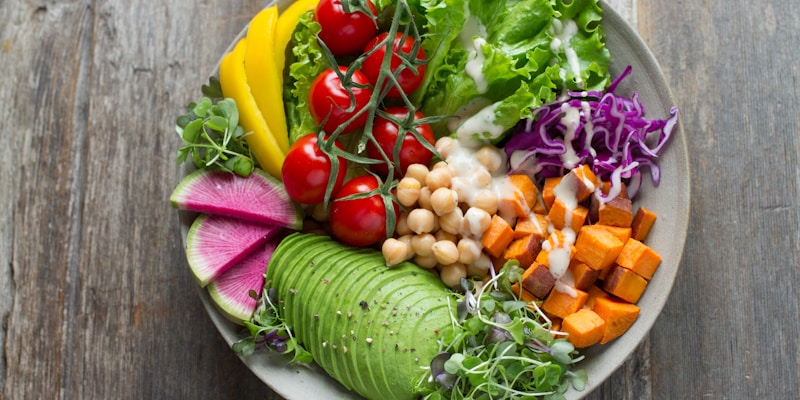
A plant-based diet means the majority of what you eat comes from plants — vegetables, fruits, whole grains, nuts, seeds, and legumes — with little or no meat, poultry, or seafood.
You've probably seen the term "plant-based" everywhere — on restaurant menus, food packaging, and health magazines. But what does it actually mean? The truth is, the term has no single official definition, which is why it can feel confusing. Some people use it to describe a fully vegan lifestyle; others use it simply to mean eating mostly plants.
In this guide, we'll break down exactly what a plant-based diet is, the different types that fall under this umbrella, what you should eat, and how to make sure you're getting all the nutrients your body needs.
The Different Types of Plant-Based Diets
There's a wide spectrum of plant-based eating styles. Here's what each one actually means:
- •*Vegan** — Excludes all animal products — meat, dairy, eggs, and honey. Often motivated by ethics as well as health.
- •*Vegetarian** — Excludes meat, poultry, and seafood. May or may not include dairy and eggs depending on the person.
- •*Pescatarian** — A vegetarian diet that also includes seafood and fish. Popular for those wanting omega-3 benefits.
- •*Flexitarian** — Primarily plant-based but allows occasional meat or animal products. The most flexible approach.
- •*Whole Food Plant-Based** — Focuses on unprocessed, whole plants. Avoids all animal products AND refined or processed foods.
- •*Lacto-Ovo Vegetarian** — Excludes meat and fish but includes both dairy products and eggs. Very common in many cultures.
What Do You Actually Eat?
Regardless of which type of plant-based diet you follow, the core of the diet is the same. Here's a clear breakdown:
- •*Eat Plenty Of:**
- •Vegetables (all kinds)
- •Fruits (fresh or frozen)
- •Whole grains (rice, oats, quinoa)
- •Legumes (beans, lentils, chickpeas)
- •Nuts & seeds
- •Tofu, tempeh, edamame
- •Herbs and spices
- •Plant-based oils (olive, flaxseed)
- •*Reduce or Avoid:**
- •Red meat and processed meats
- •Poultry and eggs (in strict versions)
- •Dairy products (in strict versions)
- •Ultra-processed plant foods
- •Refined sugars and flours
- •Sugary drinks and alcohol
- •Fast food and junk food
- •Artificial additives
Key Nutrients to Watch
A common concern with plant-based diets is whether you can get all the nutrients you need. The short answer is yes — but you need to be mindful of a few key ones:
- •*Protein** — Best plant sources: Beans, lentils, tofu, tempeh, quinoa. Tip: Include a source at every meal.
- •*Iron** — Best plant sources: Leafy greens, legumes, pumpkin seeds. Tip: Pair with Vitamin C for absorption.
- •*Calcium** — Best plant sources: Kale, broccoli, fortified plant milk. Tip: Aim for varied sources daily.
- •*Vitamin B12** — Best plant sources: Fortified foods only. Tip: Supplement is recommended.
- •*Vitamin D** — Best plant sources: Fortified foods, UV mushrooms. Tip: Supplement especially in winter.
- •*Omega-3** — Best plant sources: Flaxseed, chia seeds, walnuts. Tip: Consider algae-based DHA/EPA.
- •*Zinc** — Best plant sources: Legumes, cashews, whole grains. Tip: Soak legumes to improve absorption.
- •*Iodine** — Best plant sources: Iodized salt, nori. Tip: Don't rely on sea salt for iodine.
Is a Plant-Based Diet Right for You?
Research consistently shows that people who eat more plant foods have lower rates of heart disease, type 2 diabetes, certain cancers, and obesity. The evidence from population studies of communities like the "Blue Zones" — areas where people consistently live past 100 — shows that a diet centered on plants is one of the strongest predictors of long, healthy life.
The good news is that you don't need to go fully vegan overnight. Even small shifts — like having one or two plant-based meals a day — can make a meaningful difference to your health and the environment.
Start Small, Think Long-Term
You don't need to overhaul your entire diet overnight. Start by replacing one meal a day with a plant-based option and build from there.
Final Thoughts
A plant-based diet is not a single rigid plan — it's a flexible, evidence-backed way of eating that puts whole, natural foods at the center of your plate. Whether you go fully vegan or simply eat fewer animal products, the science is clear: more plants means better health outcomes.
In our next post, we'll cover the top 5 proven health benefits of eating plant-based — including how it affects your heart, gut, hormones, and longevity.
Jennifer Lee, RD
Registered Dietitian & Nutritionist
Jennifer Lee is a registered dietitian specializing in plant-based nutrition and sustainable eating habits. She helps clients transition to healthier lifestyles through personalized nutrition plans.
Frequently Asked Questions
Q:What does plant-based diet mean?
A plant-based diet means most of your food comes from plants — vegetables, fruits, whole grains, legumes, nuts, and seeds — with little or no animal products. It ranges from fully vegan to flexitarian approaches.
Q:Can you get enough protein on a plant-based diet?
Yes. Beans, lentils, tofu, tempeh, quinoa, and nuts are all excellent protein sources. The key is including a protein-rich plant food at every meal throughout the day.
Q:What is the difference between vegan and plant-based?
Vegan excludes all animal products entirely, often for ethical reasons. Plant-based focuses on eating mostly plants but can allow occasional animal products depending on the approach (like flexitarian).
Q:Do I need supplements on a plant-based diet?
Vitamin B12 supplementation is strongly recommended for anyone eating little or no animal products. Vitamin D and algae-based omega-3 (DHA/EPA) supplements may also be beneficial, especially in winter months.
Q:Is a plant-based diet good for weight loss?
Research shows plant-based diets are associated with lower body weight and reduced obesity risk. Whole plant foods tend to be lower in calories and higher in fiber, which promotes satiety and healthy weight management.
Medical Disclaimer: This article is for informational purposes only and does not constitute medical advice. Always consult a qualified healthcare professional before making changes to your diet, exercise routine, or treatment plan. Individual results may vary.

