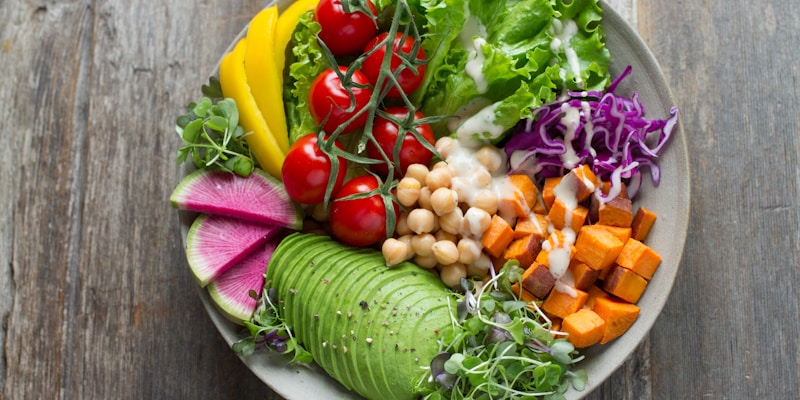
"But how do you get enough protein?" It's the question every plant-based eater has heard a hundred times. The truth? Getting enough protein is usually the least of your worries. It's a few other nutrients that need a little more attention.
One of the biggest myths about plant-based eating is that it's nutritionally deficient. In fact, the Academy of Nutrition and Dietetics — the world's largest organization of nutrition professionals — states that well-planned plant-based diets are nutritionally adequate for every stage of life, from infancy to old age.
That said, "well-planned" is the key phrase. There are a handful of nutrients where plant-based eaters need to be intentional. This guide covers all of them — what they are, why you need them, and exactly how to get them.
Protein — Easy to Get
Needed for muscle building, immune function, enzyme production, and virtually every process in the body. Despite common belief, it's genuinely easy to meet protein needs on a plant-based diet.
- •*Best Plant Sources:** Beans & Lentils, Tofu & Tempeh, Quinoa, Nuts & Nut Butter, Hemp Seeds, Edamame
- •*Tip:** Include a protein source at every meal — beans, tofu, tempeh, or nuts. You'll easily meet your needs without counting grams.
Vitamin B12 — Supplement Needed
Critical for nerve function, red blood cell formation, and DNA synthesis. B12 is produced by microorganisms — not plants or animals — making it essentially absent from plant foods.
- •*Plant Sources:** Fortified Plant Milk, Fortified Cereals, Nutritional Yeast, B12 Supplement
- •*Tip:** This is the one non-negotiable supplement for vegans. Deficiency can cause irreversible nerve damage. Take a weekly B12 supplement of 2000–2500 mcg.
Iron — Be Mindful
Essential for transporting oxygen in the blood. Plant foods contain non-heme iron, which is less easily absorbed than the heme iron found in meat — but absorption can be significantly boosted.
- •*Best Plant Sources:** Dark Leafy Greens, Legumes, Pumpkin Seeds, Quinoa, Dark Chocolate, Blackstrap Molasses
- •*Tip:** Always pair iron-rich foods with a source of Vitamin C (tomatoes, bell peppers, citrus) — this dramatically increases iron absorption. Avoid tea or coffee at meals.
Calcium — Be Mindful
Vital for bone health, muscle function, and nerve signaling. While dairy is often promoted as the primary source, many plant foods are excellent sources — sometimes with better absorption rates.
- •*Best Plant Sources:** Kale & Bok Choy, Broccoli, Fortified Plant Milk, Almonds, Tahini, Edamame
- •*Tip:** Kale actually has better calcium bioavailability than cow's milk. Aim for 3–4 servings of calcium-rich plant foods daily, or choose fortified plant milks.
Omega-3 Fatty Acids — Consider Supplement
Essential fats critical for brain health, inflammation reduction, and cardiovascular function. The long-chain EPA and DHA forms — most studied for health — come primarily from fish, which eat algae.
- •*Best Plant Sources:** Flaxseeds, Chia Seeds, Walnuts, Hemp Seeds, Algae Oil Supplement
- •*Tip:** Go straight to the source: algae-based DHA/EPA supplements give you the same omega-3s fish have (fish get them from algae!), without contaminants or overfishing concerns.
Vitamin D — Supplement Recommended
The "sunshine vitamin" is needed for calcium absorption, immune function, mood regulation, and bone health. Deficiency is extremely common worldwide — in both plant-eaters and omnivores.
- •*Plant Sources:** UV-Grown Mushrooms, Fortified Plant Milk, Sunlight (15–30 min), D3 Supplement
- •*Tip:** A vitamin D3 supplement (1000–2000 IU daily) is recommended for most people — particularly in winter months or if you live at higher latitudes. Look for plant-derived D3 from lichen.
Zinc — Be Mindful
Supports immune function, wound healing, and DNA synthesis. Plant sources contain phytates that can reduce zinc absorption — so plant-based eaters need slightly more than omnivores.
- •*Best Plant Sources:** Chickpeas & Lentils, Cashews, Oats & Quinoa, Pumpkin Seeds, Hemp Seeds
- •*Tip:** Soak legumes and grains before cooking to reduce phytates and dramatically improve zinc absorption. Aim for about 50% more than the standard RDA if fully plant-based.
Iodine — Easy to Miss
Essential for thyroid hormone production, which regulates metabolism, growth, and development. Iodine is geographically variable in soil and often overlooked by plant-based eaters.
- •*Plant Sources:** Iodized Salt, Nori Seaweed, Dulse Seaweed, Iodine Supplement
- •*Tip:** Sea salt and gourmet salts do NOT contain iodine. Use iodized table salt (½ tsp daily) or take a supplement containing 150 mcg. Avoid kelp — it can contain toxic doses.
Busting the Big Myths
- •*Myth: "You can't get enough protein from plants."**
Truth: Plants contain all 20 amino acids. Beans, tofu, tempeh, quinoa, and hemp all provide complete or near-complete protein. Meeting protein needs on plants is straightforward.
- •*Myth: "Plant-based diets are always nutritionally deficient."**
Truth: Research shows well-planned plant-based diets often EXCEED nutrient recommendations in fiber, Vitamins C, E, A, folate, potassium, and magnesium — nutrients most omnivores fall short on.
- •*Myth: "You need dairy for strong bones and enough calcium."**
Truth: Kale and bok choy have higher calcium bioavailability than milk. Dark leafy greens, fortified plant milks, almonds, and broccoli are all excellent calcium sources without the saturated fat.
What You Actually Need to Supplement
Despite what you may have heard, most nutrients are readily available from plant foods. However, there are a few that require specific attention:
- •**Vitamin B12** — Must Supplement: 2000–2500 mcg weekly, or 250 mcg daily
- •**Vitamin D** — Highly Recommended: 1000–2000 IU daily, especially in winter
- •**Omega-3 DHA/EPA** — Consider Supplementing: Algae-based DHA/EPA 250–500 mg daily
- •**Iodine** — If Not Using Iodized Salt: 150 mcg daily from supplement or nori
- •**Protein** — No Supplement Needed: Eat legumes, tofu, or tempeh at each meal
- •**Iron** — Usually No Supplement Needed: Eat iron-rich plants + Vitamin C; test if concerned
- •**Calcium** — No Supplement Needed: Vary green vegetables and use fortified plant milks
- •**Zinc** — Usually No Supplement Needed: Soak legumes; eat varied whole plant foods
The Bottom Line
A plant-based diet, when thoughtfully planned, can meet all your nutritional needs and then some. The key is variety — eating a wide range of vegetables, fruits, whole grains, legumes, nuts, and seeds ensures you cover your nutritional bases.
The two non-negotiables are Vitamin B12 (always supplement if fully plant-based) and Vitamin D (recommended for most people regardless of diet). Beyond those, a diverse, whole-food plant-based diet provides all the nutrition your body needs to thrive.
Jennifer Lee, RD
Registered Dietitian & Nutritionist
Jennifer Lee is a registered dietitian specializing in plant-based nutrition and sustainable eating habits. She helps clients transition to healthier lifestyles through personalized nutrition plans.
Frequently Asked Questions
Q:What supplements do vegans need to take?
Vitamin B12 is the only non-negotiable supplement for vegans — take 2000–2500 mcg weekly or 250 mcg daily. Vitamin D (1000–2000 IU) and algae-based omega-3 DHA/EPA (250–500 mg) are also strongly recommended. Iodine supplementation may be needed if you don't use iodized salt.
Q:Can you get enough protein on a plant-based diet?
Yes. Beans, lentils, tofu, tempeh, quinoa, hemp seeds, and nuts all provide ample protein. Plants contain all 20 amino acids. The key is including a protein-rich plant food at every meal — no combining or planning required.
Q:How do vegans get iron without meat?
Dark leafy greens, legumes, pumpkin seeds, quinoa, and dark chocolate are all rich in iron. To maximize absorption, always pair iron-rich plant foods with Vitamin C sources like tomatoes, bell peppers, or citrus. Avoid drinking tea or coffee with iron-rich meals.
Q:Do vegans need calcium supplements?
Usually no. Kale, bok choy, broccoli, fortified plant milks, almonds, and tahini all provide excellent calcium. Kale actually has better calcium bioavailability than cow's milk. Aim for 3–4 servings of calcium-rich plant foods daily.
Q:What is the best plant-based source of omega-3?
Flaxseeds, chia seeds, and walnuts provide the short-chain ALA form of omega-3. For the long-chain EPA and DHA forms most studied for health benefits, an algae-based supplement (250–500 mg daily) is recommended — it provides the same omega-3s found in fish, without contaminants.
Medical Disclaimer: This article is for informational purposes only and does not constitute medical advice. Always consult a qualified healthcare professional before making changes to your diet, exercise routine, or treatment plan. Individual results may vary.